小鱼儿与花无缺
王庆海会见工信部赛迪专精特新数字赋能中心副主任李承涛_我的网站

A |
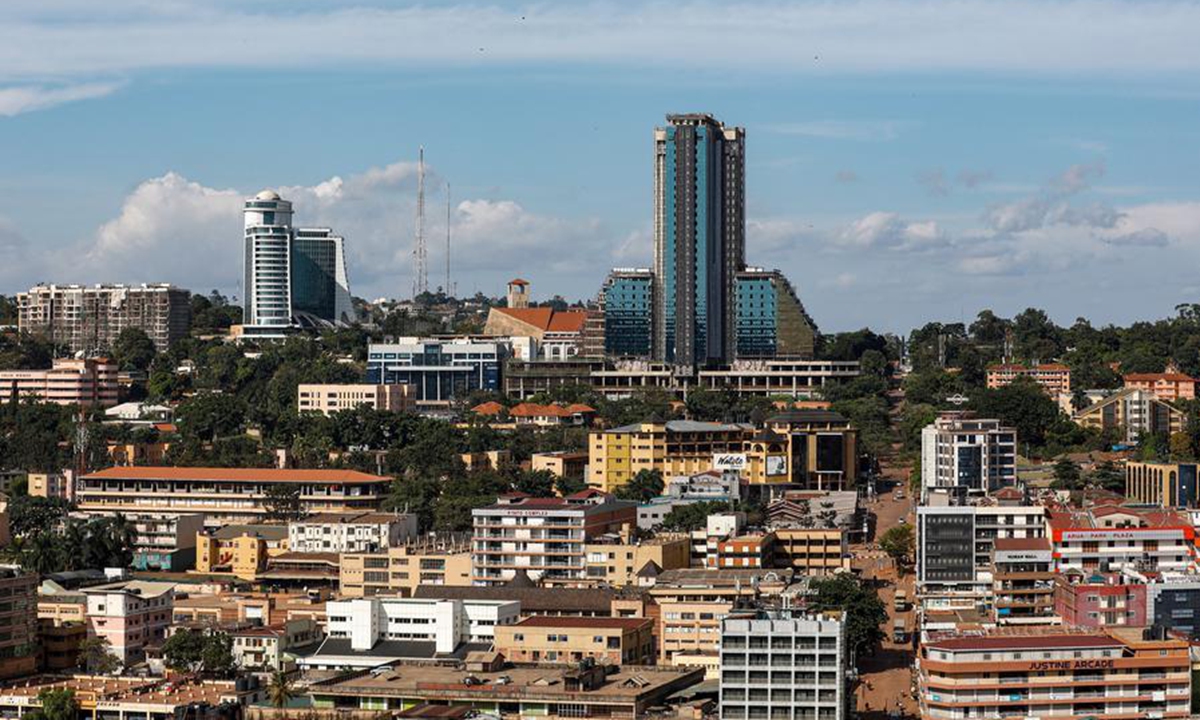
This photo shows a city view of Kampala, Uganda. Photo: XinhuaTravelers from the Taiwan region are being cautioned against traveling to Uganda after reports that several Taiwan residents had their travel documents issued by the Taiwan authorities seized or were denied entry in early August, amid a series of moves recently in Africa related to the one-China principle. A mainland expert noted that the more "Taiwan independence" forces seek international space, the narrower their room for maneuver will become.
According to Taiwan regional media outlet United Daily News (UDN) on Saturday, a Taiwan resident holding a valid Ugandan work permit had his so-called "passport" confiscated by Ugandan immigration officials on August 3 after arriving at Entebbe International Airport (EBB) on a domestic flight. The officials cited a "new policy" but have yet to return the "passport."
In a separate but similar incident, another Taiwan regional resident was also denied entry by Ugandan immigration officials at EBB and deported on the same flight, according to UDN.
The two incidents occurred at the same airport within a short period of time, with the authorities' actions escalating from the confiscation of travel documents to outright denial of entry and deportation, a travel agency was quoted by the report as saying.
The developments suggest that the measures being taken by Ugandan authorities may go beyond isolated incidents and could represent a systematic pattern of enforcement targeting people from the region, with signs that the situation is "continuing to escalate," per the report by UDN.
However, so-called Taiwan regional foreign affairs authorities stated that the relevant cases may be connected with the measure rolled out by the Taiwan region to temporarily suspend visa issuance to Ugandan nationals and bar their entry amid the worsening Ebola epidemic, according to Taiwan's local media CNA, adding it will keep negotiating with Uganda and offer support to impacted people.
Prior to this incident, several African countries had already adjusted their wording and entry policies concerning Taiwan region. According to a previous UDN report in July, on the registration page for South Africa's Electronic Travel Authorization (ETA) system, Taiwan is listed as "Taiwan, China" in the dropdown menu for place of issue of travel documents. Similarly, the international dialing code +886 is marked "Taiwan, China" under the phone number section.
That same month, the Moroccan Embassy in Japan suspended its Visa Confirmation Letter (VCL) review process for travelers from Taiwan region starting July 23, while the regional authorities stopped accepting visa applications from Moroccan nationals in retaliation, according to CNA.
But some netizens from the island commented that they had "gotten used to this situation". One remarked, "It was Papua New Guinea a few days ago, and now Morocco again. Taiwan's foreign affairs department sure has an easier job these days."
After the government of Papua New Guinea announced the closure of the "Taipei Economic Office in Papua New Guinea," Chinese Foreign Ministry spokesperson Lin Jian also said during a press conference on July 16 that China highly commends the decision and it demonstrates once again that upholding the one-China principle is where international public opinion trends and the arc of history bends.
Earlier in April, three African countries, Seychelles, Mauritius, and Madagascar revoked flight permit to cross their countries without prior warnings before regional leader Lai Ching-te's planned trip to Eswatini.
Zheng Jian, a professor at the Graduate Institute for Taiwan Studies at Xiamen University in East China's Fujian Province, told the Global Times that the Democratic Progressive Party (DPP) has pushed to internationalize the Taiwan question and expand "Taiwan independence" activities abroad, directly challenging the one-China principle widely upheld by the international community and provoking pushback.
International community, including African countries, would not choose to support "Taiwan independence" in their diplomatic decisions, and the more the separatists seek international space, the narrower their room for maneuver will become, the expert noted.
Against the backdrop of the one-China principle, attributing such entry restrictions solely to the Ebola-related policy would amount to misplaced wishful thinking, he said. In truth, DPP authorities should not ignore that all the setbacks Taiwan region faces internationally nowadays are brought about by "Taiwan independence" separatist activities, Zheng said.
A spokesperson from Taiwan Affairs Office of the State Council, Zhang Han, said during a press conference on July 22 that facts have proven time and again that the one-China principle is a basic norm governing international relations and a universal consensus among the international community.
"Upholding the one-China principle aligns with righteousness and represents the irresistible historical trend. A just cause gains wide support, whereas an unjust one garners little backing. The DPP authorities stubbornly adhere to their separatist 'Taiwan independence' stance. Acting against the tide of history, they will only encounter repeated setbacks internationally," Zhang added.
。 9月22日,市委副书记、市长王庆海会见工信部赛迪专精特新数字赋能中心副主任李承涛一行,就加快科技成果转化、助力创新主体培育、推动产业转型发展等进行深入交流。
王庆海对李承涛的到来表示欢迎,并简要介绍了我市科技创新、“专精特新”企业发展情况。他说,当前,抚顺正深入贯彻落实习近平总书记在新时代推动东北全面振兴座谈会上的重要讲话精神,奋力实施全面振兴新突破三年行动,坚持工业立市、工业强市、产业兴市,扎实做好“老原新”结构调整三篇大文章,不断壮大“专精特新”企业规模,积极培育发展新质生产力,坚定不移完成全年经济社会发展目标,坚决打好打赢攻坚之年攻坚之战。希望双方进一步加强沟通交流,在工业、农业、新能源等领域深化合作,推动更多科技成果在本地转化,促进更多企业和项目落地抚顺。抚顺将全力优化创新生态,积极搭建创新平台,推动数字技术与实体经济深度融合,更大力度支持“专精特新”中小企业发展,切实发挥科技创新引领作用。
李承涛表示,抚顺市具有良好的产业基础和创新资源,近年来在科技成果转化和创新主体培育等方面取得了积极成效。赛迪数字赋能中心将充分发挥自身技术、人才和资源优势,积极创新与抚顺市的合作模式,拓展双方交流合作空间,在加快科技成果转化、推动数字经济发展、培育“专精特新”企业、赋能产业园区建设等方面与抚顺市开展更多务实合作,携手推进合作项目落实落地,助力抚顺加快实现全面振兴新突破。
副市长王进参加会见。
责任编辑:刘春阳。
Current article:http://vw5.linxiuhuaishuangniuzhenrua.bond/list_rg39/u2jxsmf.html
Published on:18:49:18

 青海海南州兴海县发生3.6级地震,震源深度10公里
 男子高空作业时在30楼遇马蜂窝,速降近百米躲避仍被蛰近30口
 台陆委会称其工作是“抵御中共统战” 国台办回应
 俄罗斯人在沃夫昌斯克市俘虏了多达40名平民
 劳伦斯奖晒近10年最佳男运动员获奖者:德约4次当选,梅西2次
 打破威少209次三双纪录有多难?詹姆斯差84次,现役仅一人有戏
查看所有0条评论>>